
Why Are Peptides So Popular? Benefits, Hype & Safety
Updated October 2026. Peptides have moved from scientific journals into skincare aisles, weight-management discussions, and social media feeds. One influencer calls them a breakthrough for recovery. Another promises glowing skin or better energy. But what exactly are peptides—and how can you tell meaningful medical advances from marketing hype?
For patients interested in wellness and aesthetic medicine, the answer starts with an important distinction: “peptide” describes a type of molecule, not a guarantee that a product is safe, effective, or FDA-approved. Different peptides act in different ways, and the quality of evidence varies dramatically.
1. What Are Peptides? A Simple Explanation
Peptides are relatively short chains of amino acids—the building blocks that also make up proteins. Your body naturally makes many peptides. Some help coordinate biological processes by acting as signaling molecules, while others have structural or regulatory roles.
Think of amino acids as letters and peptides as short messages assembled from those letters. The sequence matters. Changing the sequence can change what the message does—or whether it does anything useful at all. This is why a peptide in a face cream is not interchangeable with a prescription medicine or an experimental injection.
Peptides may be found in cosmetic formulations, dietary supplements, and prescription medications. Their route of administration and intended purpose affect how they are evaluated, absorbed, and regulated.
2. Why Is Everyone Talking About Peptides?
First, prescription peptide-based drugs have raised public awareness. Medicines containing semaglutide or tirzepatide have helped bring peptide-related science into mainstream conversations about diabetes and chronic weight management. These are prescription medications with specific FDA-approved indications—not general-purpose wellness injections.
Second, skin care has embraced peptide ingredients. Serums and creams increasingly advertise peptides as part of anti-aging routines. They can be appealing to consumers looking for noninvasive products, although a product’s ingredient list alone cannot establish that it will deliver a particular result.
Third, social media has amplified experimental compounds. Names such as BPC-157 and ipamorelin appear in online discussions about recovery, fitness, sleep, and longevity. Popularity and testimonials, however, are not substitutes for controlled human trials or regulatory approval.
Curious because a friend says a peptide transformed their health? Ask which exact compound they used, what it was intended to treat, whether there are credible human studies, and whether it is an approved medicine for that use.
3. Peptides in Skincare: Promising, but Not Magic
Some topical products contain peptides marketed for the appearance of fine lines, texture, or hydration. Other products use collagen-derived peptides in oral supplements. These categories have different mechanisms and should not be grouped together as if they share one proven benefit.
A 2026 systematic review of randomized trials reported some improvements in measures of skin hydration and brightness, along with modest findings for wrinkles. The authors also emphasized variation among studies, inconsistent results for some outcomes, and the need for better trials. Most participants in that review received oral products, so its findings cannot automatically be applied to every topical peptide cream.
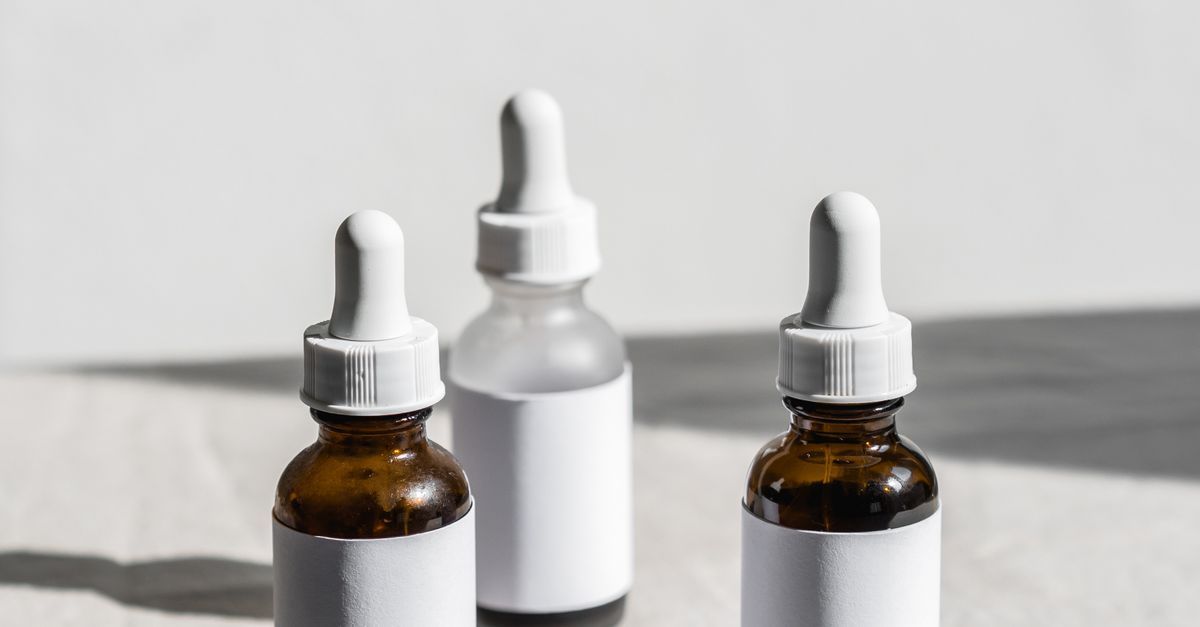
When comparing skincare products, focus on the complete formulation, skin type, tolerability, and realistic expectations. For everyday skin health, sun protection and an appropriate basic skincare routine remain important, whether or not a peptide product is added.
4. Prescription Peptide Medicines: Evidence Matters
Some peptide-based medicines have demonstrated benefits in carefully studied medical conditions. For example, FDA-approved medications containing semaglutide or tirzepatide have specific uses in metabolic care. A qualified healthcare professional considers diagnosis, medical history, potential interactions, adverse effects, and treatment goals before prescribing a medication.
That medical oversight matters because even approved medications are not appropriate for everyone. Side effects and contraindications depend on the specific product and the patient's health history. “It's a peptide” does not make a treatment automatically gentle, natural, or risk-free.
Products marketed as compounded copies require additional caution. The FDA warns that unapproved GLP-1 products do not undergo the same premarket review for safety, effectiveness, and quality as FDA-approved drugs. The agency has also highlighted concerns about dosing errors, labeling, and product sourcing. Compounded medications are not FDA-approved.
5. Experimental “Wellness Peptides”: Where the Hype Outruns the Evidence
Online peptide discussions often feature products marketed for tissue repair, physical performance, body composition, sexual wellness, or longevity. Many of these claims are based on laboratory findings, animal studies, anecdotes, or research that is too limited to support clinical conclusions in people.
For example, BPC-157 has been promoted online for injury recovery, but it has not been established as a safe and effective FDA-approved treatment for that purpose. Other compounds marketed for hormonal or recovery-related effects also require individual assessment of their approval status and the quality of human evidence.
The FDA has documented potential safety concerns for certain peptide bulk drug substances, including possible immune reactions, impurities, and gaps in human safety data. Policy discussions about compounding can change over time, but a change in access rules would not by itself prove that a substance works or is safe.
A major red flag: a product labeled “for research use only” being sold with directions or promises for personal injection. Sterility, accurate concentration, correct identification, and reliable medical monitoring cannot be assumed for products purchased from unverified websites.
6. Five Questions to Ask Before Trying a Peptide Product

- What is the exact ingredient? The broad word “peptide” is not enough. Request the specific name and formulation.
- What is the evidence for my goal? Look for controlled human studies relevant to the intended use rather than testimonials alone.
- Is it FDA-approved for this indication? If not, ask what that means for known benefits, risks, manufacturing quality, and alternatives.
- Where does it come from? For prescription drugs, use a legitimate prescriber and a state-licensed pharmacy. Avoid unverified online injectables.
- What are my alternatives? Established treatments, skin-care routines, nutrition, exercise, and diagnosis of an underlying condition may be more suitable depending on the concern.
People who are pregnant, planning pregnancy, breastfeeding, managing chronic illness, or taking multiple medications should be especially careful about starting supplements or drugs without professional guidance. Risks differ among products, and clinical research for some marketed peptides is sparse.
7. Frequently Asked Questions About Peptides
Are peptides the same as steroids?
No. Peptides are chains of amino acids; steroids have a different chemical structure. Both categories can include biologically active substances, so neither label determines safety on its own.
Do peptide creams actually work?
Some studies suggest that certain products may improve selected skin measures. Results differ by ingredient, formulation, study quality, and individual skin needs. Dramatic results should not be assumed.
Are collagen peptides the same as injectable peptides?
No. Oral collagen-derived supplements, prescription peptide medications, and experimental injectable compounds are distinct categories with different evidence and regulatory considerations.
Are all peptides FDA-approved?
No. FDA approval applies to particular drug products and indications, not the entire category of peptides. Cosmetics and dietary supplements follow different regulatory frameworks; their marketing should not imply FDA drug approval.
Can peptides reverse aging?
No peptide treatment has been established as a way to reverse human aging. Claims about broad rejuvenation or longevity should be assessed especially carefully.
8. The Bottom Line: Curiosity Is Healthy; Caution Is Essential
Peptides are a fascinating area of research and already play an important role in some established medications. Their rising popularity reflects genuine scientific progress, interest in skin and metabolic health, and the speed at which wellness trends spread online. But evidence for one peptide cannot be transferred to another, and enthusiasm should never replace an individualized medical assessment.
At Women's Health and Cosmetic Services of Maryland , we believe good health decisions begin with clear information and realistic expectations. If you have questions about weight, menopause, skin concerns, or other women's health symptoms, contact our Glen Burnie office to discuss an appropriate consultation. This educational article does not mean the practice provides or recommends experimental peptide injections.
Sources and further reading: FDA: Concerns with unapproved GLP-1 drugs; FDA: Certain peptide compounding safety risks; 2026 peer-reviewed skin-peptide systematic review.
Medical information only. This article is not personal medical advice or an endorsement of unapproved products. Regulations and research can change; consult a qualified healthcare professional before starting a treatment.